Solo Concert or Shared Bill: Choosing the Right Format
A solo concert or shared bill shapes variety, continuity and audience expectations; compare the trade-offs before choosing the format for a live music night.

The venue is ready, the date is set, and the first question is still open: should one performer carry the whole night, or should several artists share the stage? Choosing between a solo concert and a shared bill affects more than the number of names on a poster. It shapes how the audience settles in, what kind of variety they encounter and how much continuity the event can sustain.
Problems often appear when organisers treat the choice as a matter of prestige or convenience. A single name can make a concert feel focused, while several acts can broaden its appeal, but neither format automatically creates a satisfying evening. The useful question is what experience the performers, venue and audience can support together.
Choose the format for the audience experience
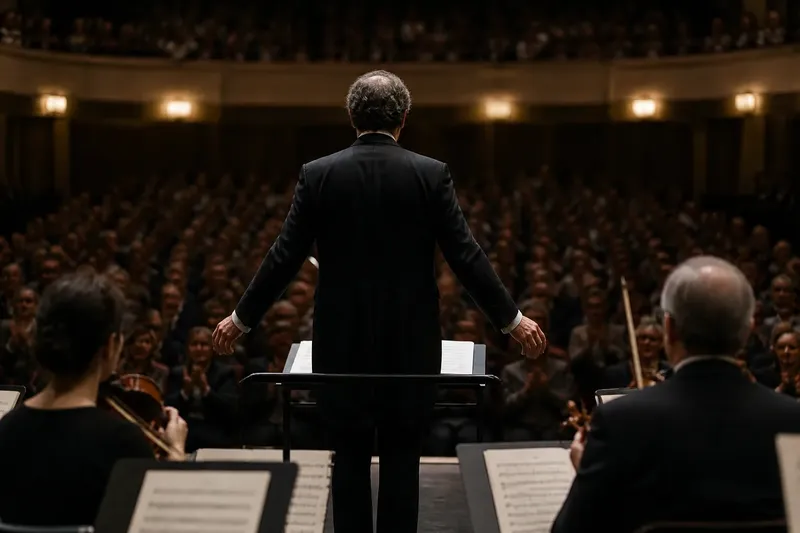
A solo concert gives one performer or group room to establish a distinctive musical world. The audience can follow recurring sounds, themes and moods without adjusting to a new act, and the performer can shape a coherent arc across the evening. That continuity is the format’s particular strength.
A shared bill, sometimes called a multi-act bill, places several performers in the same event. It can offer contrasting styles, introduce listeners to unfamiliar artists and make the evening feel socially varied. Its strength is not simply “more music”: it is the conversation that can emerge between different voices, provided the acts belong together in some meaningful way.
Start with a plain description of the night you want someone to have. “An intimate evening with one songwriter’s work” points towards a solo concert. “A lively programme of neighbouring local bands” suggests a shared bill. If the description needs several unrelated promises to sound appealing, the format may not yet be clear.
A shared bill can feel disjointed
The familiar problem is that the audience experiences a succession of unrelated appearances rather than one event. It usually comes from booking acts for availability or individual appeal without deciding what connects them. A difference in style is welcome; a lack of any audible or contextual relationship can make each change feel arbitrary.
Try describing the connection between the acts in a sentence before confirming the line-up. They might share an audience, a regional scene, a musical tradition or a willingness to work in a particular sound. The link need not be obvious from the first song, but it should be clear enough to explain in the event description and to make sense once the performances are heard together.
Say a small venue is considering an acoustic singer, a percussion-led ensemble and a spoken-word artist. If the organiser frames the evening around performers working with rhythm and voice, the contrast has a point of reference; the audience can hear different approaches to a shared idea. If those acts have no such relationship, the same line-up may feel like three separate bookings placed under one ticket.
It is not worth forcing every performer into a narrow theme just to make a bill look tidy. A connection that exists only in promotional wording may feel contrived in the room. Choose a genuine point of contact, or present the event honestly as a night of contrasting acts.
A solo concert can lose its sense of movement
With one performer, the trouble is not a lack of variety in principle but the feeling that the evening stays in one place. Similar arrangements, moods or levels of intensity can become hard to distinguish, especially if the audience cannot hear the shifts in what the performer is doing. This can happen even when the songs themselves differ.
Discuss the overall shape with the performer rather than prescribing a list of tricks. A quieter section might give attention to lyrics, while a fuller ensemble sound could create contrast; a spoken introduction may offer context when it adds something the music alone does not. The aim is to let the performer’s material reveal its own range, not to insert changes for their own sake.
Some solo concerts include an opening artist. That can provide variety without changing the event into a full shared bill, but it also means the audience spends time with another performer before the main set. Be clear in the listing about the opening act and the nature of the evening, so people are not left guessing which artist the event centres on.
The audience may expect a different kind of night
A poster can attract people for the wrong reason if its format is ambiguous. Someone drawn to one artist’s complete performance may be disappointed by a succession of shorter appearances, while a listener looking for a discovery-led evening may find a single-act programme narrower than expected. The cause is often copy that names performers but never says what form the event takes.
State the format plainly in the event description. Say whether there is one headline performer, an opening act, or a shared bill of several artists. If acts are still to be announced, explain that the event is built around multiple performers rather than implying a single-name concert.
Also consider what the audience values about the venue. A listening room may suit sustained attention to one performer, while a community music space may have an audience eager to encounter local acts in one visit. These are tendencies, not rules: check the expectations created by the venue’s usual programme and by the people you hope to welcome.
The production arrangements can favour one format
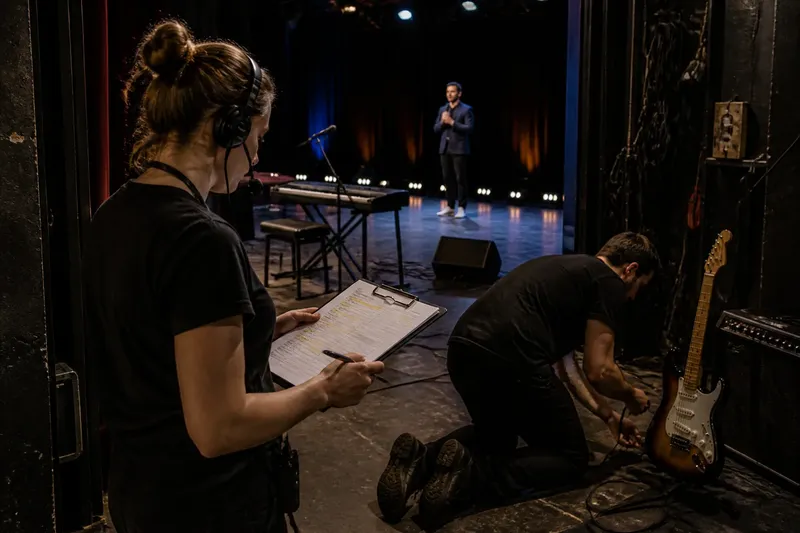
A multi-act bill asks the venue to accommodate more than one performance setup. Different instruments, amplification needs and stage layouts can make transitions awkward if the programme assumes that each act can appear as soon as the previous one leaves. A solo concert may be simpler to present, though an elaborate solo production can bring its own demands.
Before choosing a shared bill, ask each act for a concise technical description: instruments, microphones, monitor preferences and any unusual equipment. The venue’s sound engineer can then assess whether the setups are compatible and advise on what is practical in that room. Do not promise an arrangement until the people responsible for the space have confirmed it.
For a solo concert, check that the performer’s sound and presentation suit the room without relying on a second act to change the atmosphere. A spare stage can feel intentional when the music and lighting support close attention; it can feel unfinished when the audience has been led to expect a larger production. Match the advertised scale to what will actually be presented.
Which format fits the night you have in mind?
What is the main difference between a solo concert and a shared bill?
A solo concert centres the evening on one performer or group, allowing sustained attention to a single body of work. A shared bill gives several acts space within one event, with variety and discovery as part of the appeal.
Is a headliner with an opening act a shared bill?
It includes more than one performer, but audiences usually understand it as a main concert with a supporting appearance. Describe that relationship clearly rather than presenting it as a series of equally featured acts.
When does a multi-act bill make sense?
It suits an event where contrasts between performers are part of the attraction and the acts can share a venue and audience comfortably. It also works when the programme has a clear connection that helps listeners understand why those artists are appearing together.
What should an organiser check before settling on the format?
Consider the audience’s likely expectations, the performers’ relationship to one another, the venue’s technical capacity and the amount of continuity the event needs. If any of those elements remains uncertain, resolve it before describing the event publicly.
Make the choice before writing the invitation
A practical way to settle the decision is to draft two short descriptions, one for each format, and read them as a potential ticket-buyer would. The solo version should make the appeal of staying with one performer clear; the shared-bill version should explain why encountering several acts is part of the occasion. If one description sounds honest and specific while the other depends on vague promises, that is useful information.
Then ask the performers and venue whether the proposed experience is feasible. An artist may prefer a longer, focused appearance; a venue may be better equipped for a compact set of related acts. These conversations are not a vote on artistic worth. They identify which format gives the music room to be heard as intended.
The choice between a solo concert and shared bill is ultimately a choice about attention: concentrated on one performer, or moved among several. Make that distinction legible before the audience arrives, and give the artists a format that suits both their work and the room. A clear invitation is itself part of the performance, because it lets people arrive ready for the kind of night they are about to hear.